13 Apr 2020 Nabin Baniya
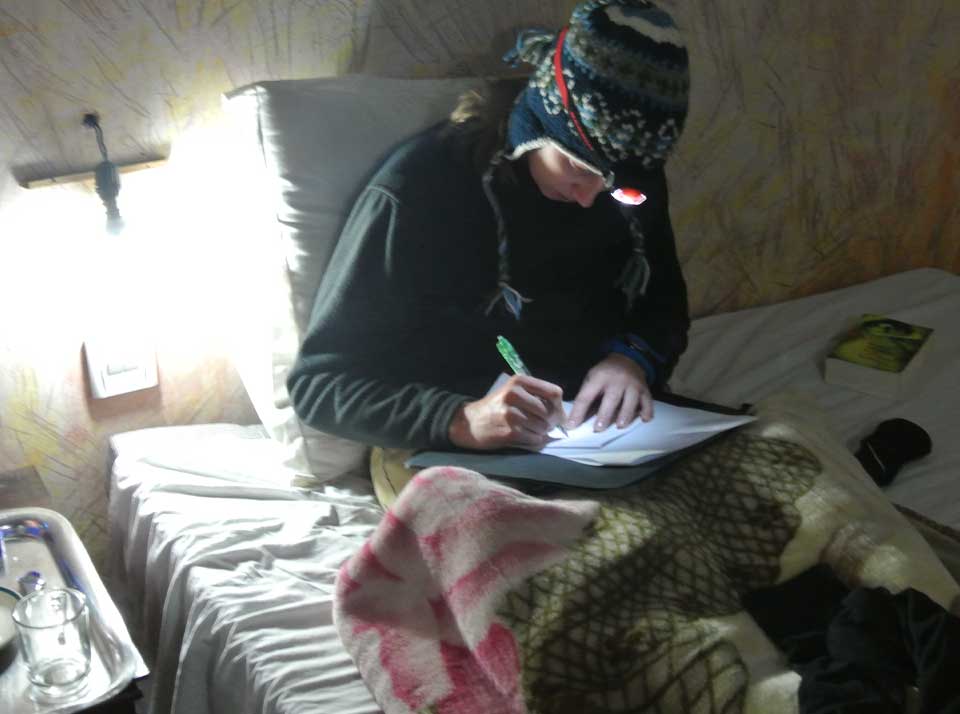
The Everest base camp trek packing list itself is one of the hardest things to do besides doing a trek. To help you get an easier hike and pace, Magic Himalaya has compiled an easy-to-navigate and complete list of what is required for the trek to Everest base camp.
The mentions list is also helpful for the other treks, such as the Gokyo Valley trek, Everest High Pass trek, Everest Base Camp yoga trek, and many more. The listed can be tailored to your personal needs and preferences.
All the equipment that is mentioned below can be rented or purchased in Kathmandu. Magic Himalaya recommends a few stores that sell and rent at the best deals. The equipment that you buy may not be the best standard but will work for the purpose of us buying it. It is always important to buy reliable and good-quality equipment while going through such a challenge. The cold on the Everest base camp trek itself is a challenge that trekkers need to face during the hike.
Magic Himalaya Everest base camp Trek packing list
Clothes
What kinds of clothes to pack always depends on what time of year you are traveling and which treks you are doing. Here we’re going to tell you about the 16-day Everest base camp trek with Magic Himalaya.
Base Layer
The first layer of clothes is the base layer that we wear. It is an important layer for higher altitudes as well as colder parts of the trek. This coat may not be useful for the beginning and ending days of the trek. It is useful while reaching base camp, Kalapather, and other higher parts. We need good materials and fit when we buy the base layer. It is also important to get affordable prices.
Insulation layer
This layer we wear after the base layer and is also important to wear during the Everest base camp trek. This fleece layer is available in various brands, depending on your needs and budget.
Outer layer
The outer layer consists of a warm and waterproof jacket and trousers. This layer is for high altitudes and cold or rainy weather. We can find these layers of different brands and qualities. You can select the brand on your own. It is also possible to buy those layers in Kathmandu.
Trekking trousers and shorts
We need one pair of trousers and shorts, which are used for the lower elevations of the trek. They are also available in different brands and quality, which you can buy online or in the Kathmandu store.
Trekking shirts
We recommend having some shirts to wear while trekking. There are different brands of shirts in the market. We recommend a combination of long- and short-sleeve shirts.
Waterproof jackets and trousers
While trekking in high elevations, it is always unpredictable about the weather and rain. It is worth carrying a waterproof jacket and trousers for the trek to Everest base camp. There are many brands that make excellent waterproof clothes.
Underwear and bras
While on the trek to Everest, we also need to have good-quality underwear and bras that are moisture-wicking and breathable. We recommend 5 pairs of underwear and 2 bras for women. Sports underwear and sports bras are best on a trek.
Headwear
Hat
While trekking, there will be sunshine, so we need to have a proper hat that protects us from it. A hat with a neck cover will be best for a trek. Lightweight and easy to pack, it should be wonderful for the EBC trek.
Woolen Hat or Beanie
This will be wonderful to wear during the nighttime while sleeping and in a cold area near base camp.
Neck warmer
This neckwarmer is another essential item to carry while trekking to Everest base camp, as it will protect your neck from the cold. It will also help you to protect yourself from throat problems due to cold wind.
Gloves
One of the most exposed parts of the body during the trek is the hand, which is why we need good gloves to protect our hands. Magic Himalaya Treks recommends taking two gloves: one pair of lightweight inner gloves and another pair of insulated gloves. The light gloves can be used at moderate temperatures and are able to tie shoelaces without taking gloves out. Insulated gloves are durable, waterproof, and hot. It is mostly needed for climbing, such as island peaks, but is worth having on treks to avoid any cold problems.
Footwear
We don’t want any problems, such as blisters, so we will recommend buying and having the best footwear during the journey to Everest Base Camp. You should know that your foot is what lands on base camp, so you need to care for your feet with the best brands and flexibility. A new boot is not recommended because they bring blisters, so use them any time for hiking in your country and be comfortable before using them in Nepal’s Everest Base Camp.
Hiking boots
The right size with comfort is more important than the brands. Therefore, ensure you choose shoes that fit properly to avoid blisters and other issues during your trek to base camp.
Trekking shoes and sandals
Trekking shoes can be used during day hikes as well as while walking around the villages. If you experience any problems with boots, then you can use these shoes for walking during the day too. If you can carry both, that is beneficial. Sandals we can use during dining and walking in rooms.
Trekking socks
Good woolen socks that have moisture-wicking properties and breathability will be very beneficial. We need around 5 to 6 pairs of socks for trekking to Everest base camp.
Warm thermal shocks
This is a thicker shock than normal trekking shocks. We recommend carrying one pair of such socks to use near base camp and colder areas.
Gaiters
Gaiters are used during the rainy seasons as well as snow periods. This will prevent rain and snow from entering the shoes.
Bags and Backpacks
Which types of bags you take during the trek to Everest Base Camp depends on whether you have the luxury of porters or not. If you have porters, he prefers to have duffel bags, which most of the trekking companies provide, and Magic Himalaya also provides. If you don’t have a porter, then take a 5-liter backpack.
Duffel bag
A duffel bag will be best if you have porters to carry your luggage. You need to have water-resistant, durable, and lockable. If you are trekking in the magic Himalayas. Magic Himalaya trekkers get one bag each from us.
Backpack
If you don’t have porters on your trek, then you need to carry your bag. You need a good backpack of 50-60 liters with an opening at the top. You can buy it here in Kathmandu.
Day Pack
If you have a porter, you also need to carry something that is useful while porters are away from you. You need to carry water, rain gear, a camera, snacks, and other personal items. You can find the best daypack online or in the Kathmandu store.
Rain cover
YOU will have an important document, a passport, in your daypack, so you need a rain cover to protect it. You will get online in Kathmandu as well as on-trail while trekking.
Sleeping Gear
Sleeping Bag
Like your hiking boots. You also need to have the best sleeping bag that keeps you warm in a cold place. Tea houses along the way provide you with the basic sleeping facilities with normal blankets, which might not be clean. A warm 4-season sleeping bag is essential to avoid cold-related issues.
Magic Himalaya Treks, our trekking partner, will provide the sleeping bag for use during the trekking period. Once the Everest trek is complete, you must return the sleeping bag.
You can also buy sleeping bags in the Thamel store and in Namchebazar, Lukla.
Liner
Along with sleeping, we also need liners if you rent a sleeping bag instead of buying one. You can buy a warm and clean liner for a healthy stay.
Ear Plugs
Earplugs are the most important things to have because they will make you sleep well. On the trek, you will have snoring from fellow trekkers, so we can avoid that with earplugs.
Trekking poles
Most of the trekkers have habits of using hiking poles, which will help to support the body. It also reduces the impact and stress on your joints. If you haven’t used poles, try them; if you have and feel uneasy, leave them. It is not mandatory.
Headgear
Headlamp
A headlamp for walking around the guest house will be useful. Occasionally when there is no electricity at that point, we can use them. While hiking Kalapather at night, we will use them, and it’s critical to have one.
Sunglasses
The sunglasses will help us see in the snow while walking in the sun. We need to have 100 percent UV protection and 80 percent light reduction glass for safety.
Technology and entertainment
Camera
The first thing we need to have is a camera to make some lovely and beautiful pictures. These pictures will be a memory for a lifelong time.
Power bank/solar panel
This is one of the most important and useful things in the 21st century. We need to charge our phone and a camera, so we need to have one of those. We can also carry solar panels for charging purposes. It is a brilliant way of trekking in the Himalayas.
Books
For weight purposes, you can carry electrical books with hundreds of storage capacities. You can read them while you have spare time during the treks.
Playing cards
It is a fantastic way of passing time while in the Himalayas. You can learn many Nepali games, as well as teach them to local porters and guides. Our guides will definitely teach you some Nepali games.
Passports and money
Without these things, you cannot even cross your country’s border, so you need to carry them with you.
Medications and toiletries
Water purification tablets or water drops
You need to be very careful about the water before using them. All the water needs to be purified before use. You need to carry purification tablets. Our company trekking guide also provides water drops that you can use for water purification.
Diamox and other common medicines
Diamox is the medicine for acute mountain sickness. It is just a preventative medication and does not treat AMS. Please consult the doctor before using Diamox, or ask your guide for advice. Common medicine such as paracetamol for headaches and Imodium for diarrhea.
First aid kit
The company guide will have a first aid kit, but it’s worth it to carry your own with basic medicines.
Sunscreen
To protect your face from sun and cold, carry sun cream.
Baby wipes
Baby wipes are useful for cleaning up when there are no showers on the trek. Carry one of those to use.
Toiletries
Carry the toothpaste and toothbrush for daily use. We also need toilet paper, which you need to buy in the teahouse.
Plasters and Hand sanitizer
For small cuts and blisters, we can use plasters. The hand sanitizer will be useful to clean hands before eating.
Oximeter
Our company guide will carry the oximeter to measure the pulse and heartbeat of trekkers every morning, day, and needed time. You can use them or bring your own.
Insurance
You need the right insurance to cover you and your trip if something goes wrong while trekking. World Nomads and JS Insurance are a few notable names. The helicopter ride back to Kathmandu also needs to be covered with insurance. Check before buying whether it will cover it or not.
Remaining things
The remaining Everest base camp trek Packing lists include water bottles and hydration bladders, which are also important to drink while hiking. We also need to carry a lock and towel for the trek.
Conclusion:
All Everest base camp treks A packing list is necessary for all trekking in Everest, such as Everest High Pass, Gokyo Valley Trek, Everest BC Yoga Trek, Everest BC Luxury Trek, and Island Peak Climbing. These things are also good for Manaslu trekking, Manaslu Tsum Valley Trek, Annapurna Base Camp, Annapurna Circuit, Upper Mustang, and many more. Remember the magic Himalaya treks team for the best trekking organization.