
1 Sep 2026 Nabin Baniya
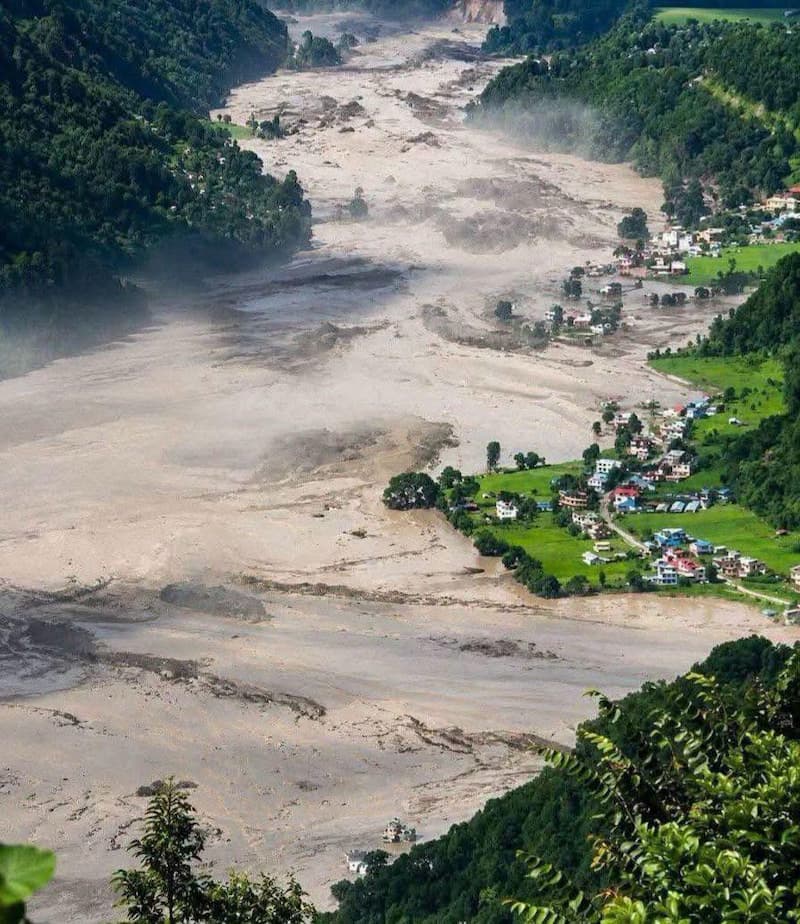
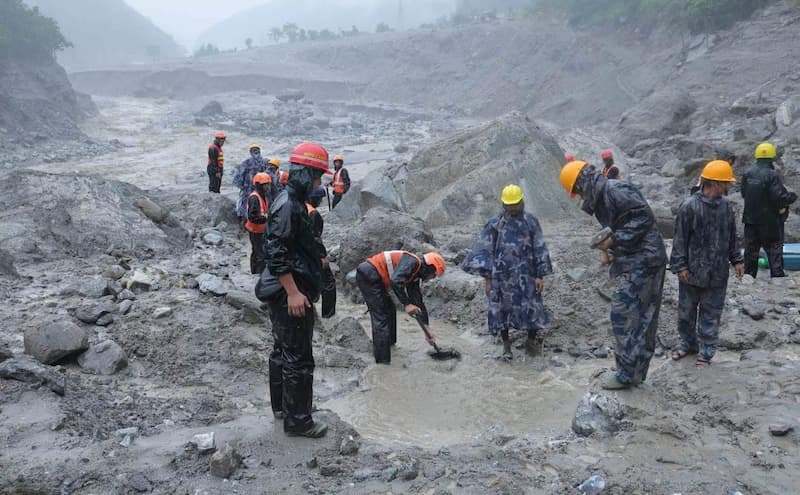
Nepal flood 2026 is so far the biggest Natural disaster in this country. Rasuwa has been severely affected by a catastrophic flash food on August 26, 2026, along the Bhote Koshi River near Nepal- China Border. The disaster has also affected parts of Nuwakot, Dhading, and Gorkha downstream.
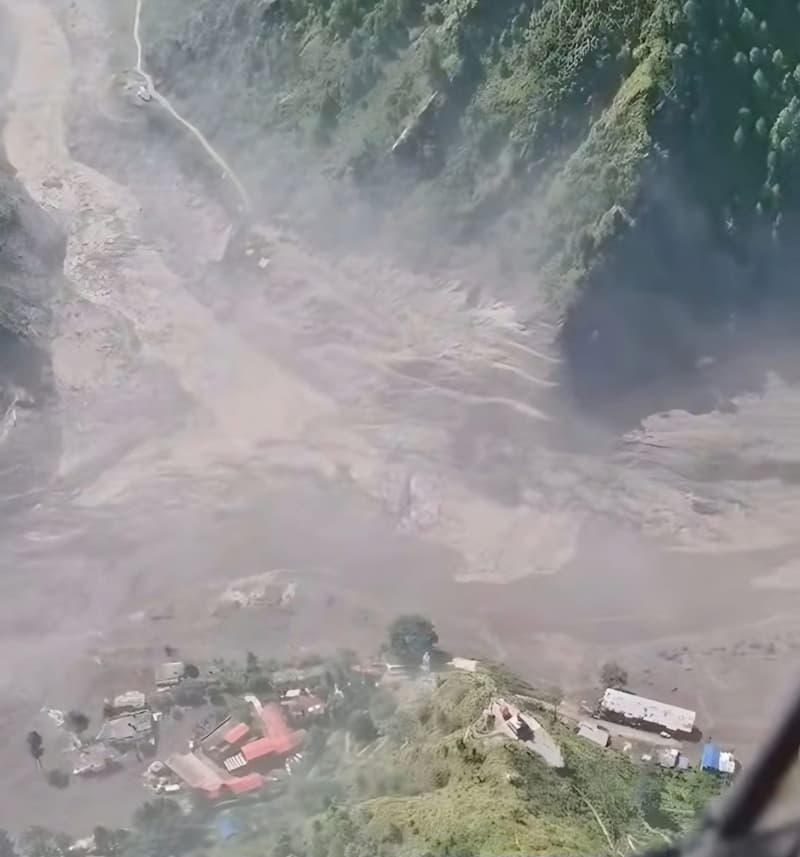
What happened in Rasuwa district of Nepal?
The flood struck early on August 26, particularly around Timure, Syafru and Bhote Koshi corridor.
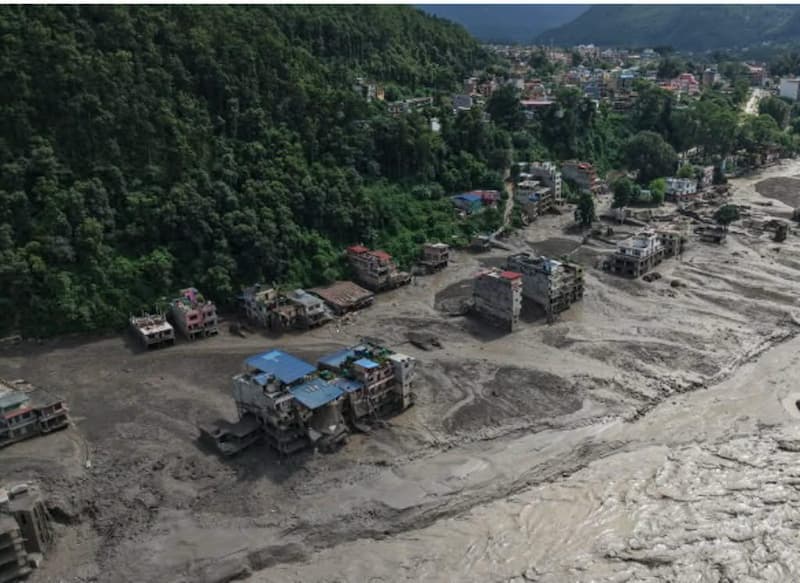
Reports indicate that a glacier/ ice and rock collapse and subsequent debris flow near the Nepal -Tibet border triggered an enormous surge of water, mud and debris.
Roads, bridges, hydropower infrastructure, homes and other buildings were swept away or badly damaged.
Timure, an important border settlement and gateway toward the Kerung crossing, was among the badly affected areas.
Numerous hydropower workers, security personnel, residents and travelers were reported missing, making rescue operations extremely difficult.
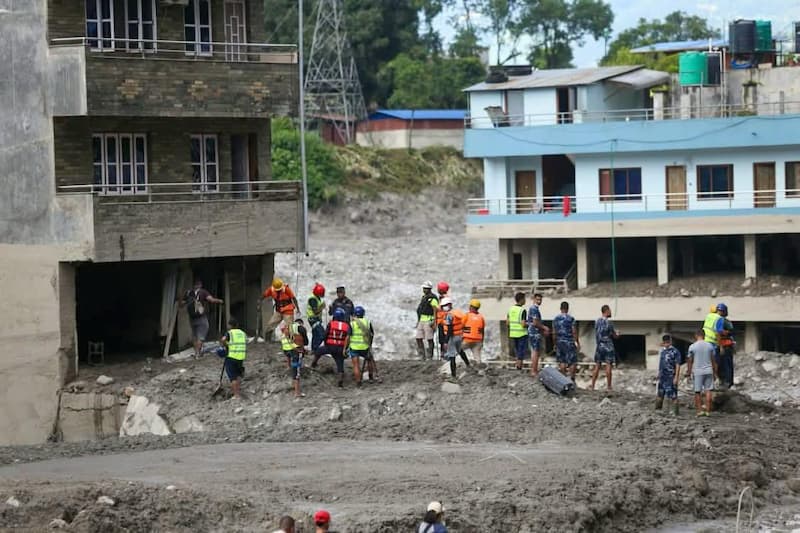
The Nepal Army deployed helicopters and specialist medical teams to rescue stranded people and provide emergency treatment.
There was also concern about a temporary/dammed lake upstream, which briefly caused authorities to suspend rescue operations because of the risk of another sudden flood.
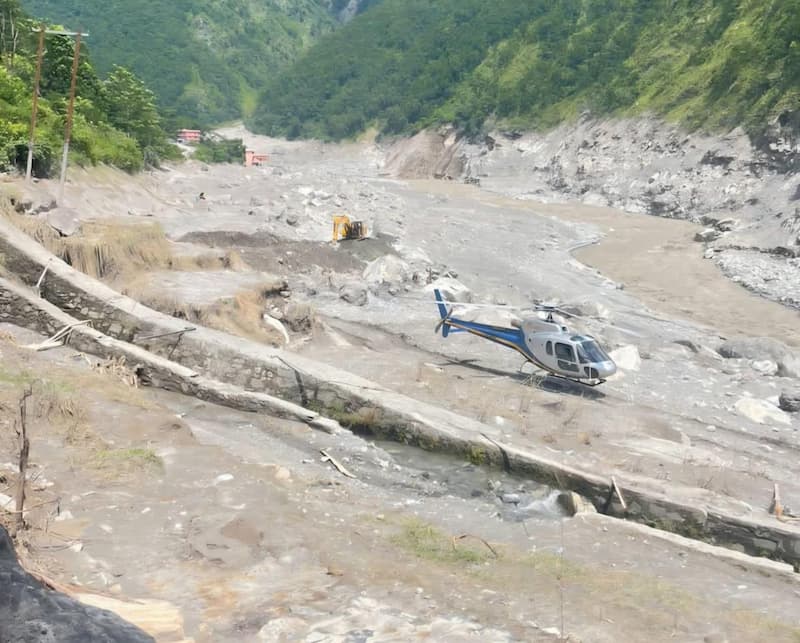
Current situation of Nepal flood 2026
According to local reports, water levels in the Bhote Koshi basin began rising rapidly around 9:00 AM local time on August 26. The flood breached riverbanks and travelled downstream through the Bhote Koshi River into the Trishuli River, with potential impacts extending into Nuwakot and Dhading districts.
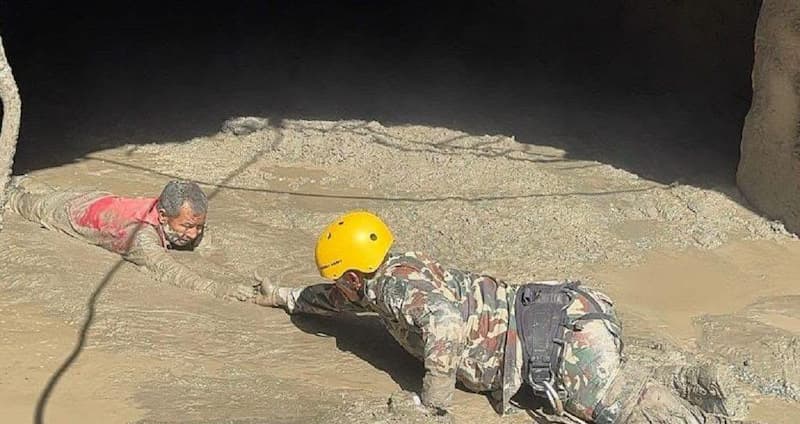
Scientists from the International Centre for Integrated Mountain Development (ICIMOD) and partner institutions in Nepal and China are investigating whether the flood may have been triggered by an ice-rock avalanche originating from a high-altitude area.
Preliminary assessment based on video footage and information from affected areas suggest that a large volume of ice and rock debris may have entered the Lende Khola, a tributary of the Bhote Koshi River. Researchers say the event could have generated a sudden surge that carried water, sediment and large boulders downstream.
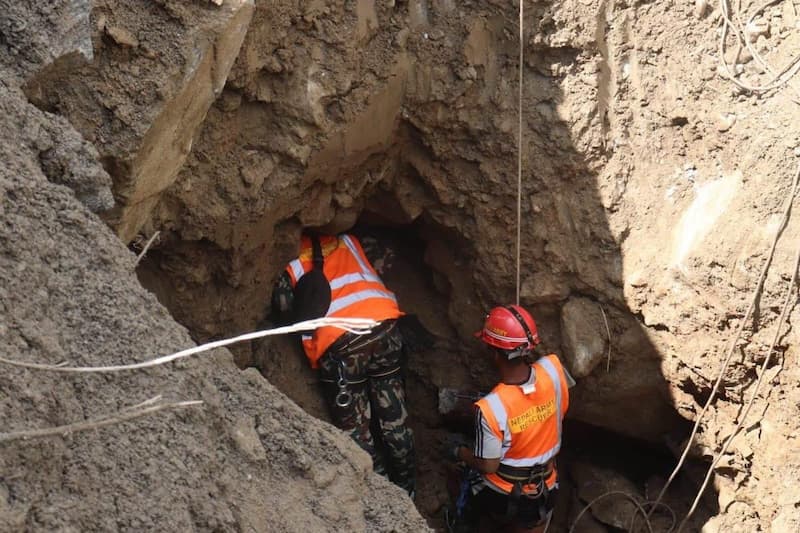
Hydrological observations indicate the exceptional speed and magnitude of the flood wave. Water levels on the Trishuli River at Galchhi reportedly rose by as much as nine meters within 30 minutes, while levels at Maleku increased by seven meters over a similar period. Several water monitoring stations along the Trishuli River were reportedly damaged or washed away during the event, although the Galchhi monitoring station remains operational.
The flood has reportedly caused significant damage to infrastructure in the affected areas, including hydrological monitoring stations. Several hydropower facilities are located along the Bhote Koshi River and connected river systems.
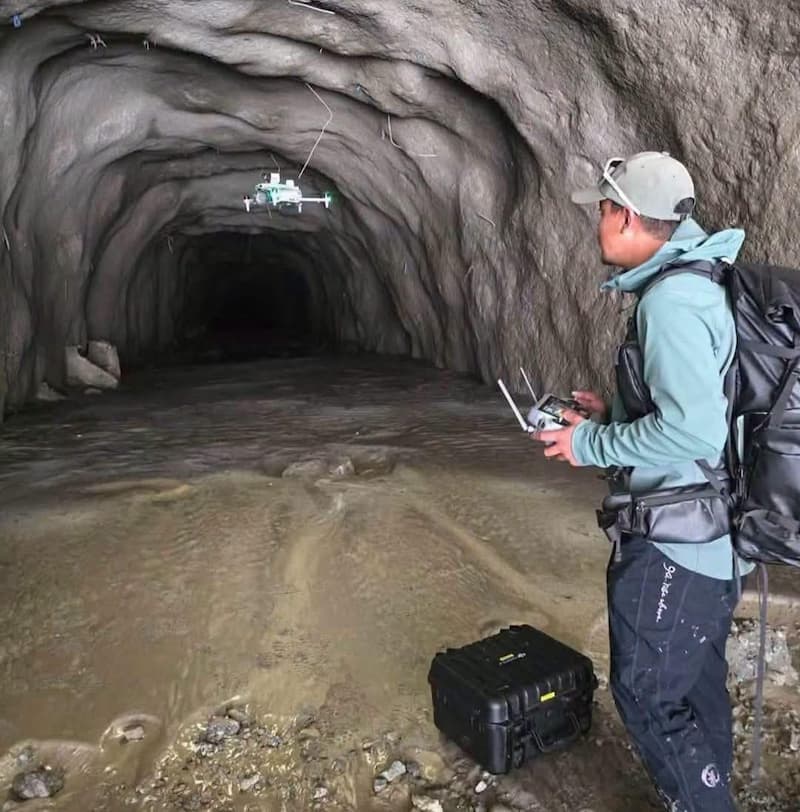
As of August 31, 2026, the disaster has become a major national emergency. The latest reports put the overall death toll in Nepal at more than 800, and 17 thousands plus still missing, although figures are changing rapidly as search and identification operations continue. Rasuwa and neighboring districts remain major areas of rescue activity.
Rescuers are particularly concerned about people believed to be trapped inside hydro-power tunnels in Rasuwa and Nuwakot. Teams are using heavy machinery, helicopters, oxygen equipment and specialist rescue personnel to reach them. For trekking and tourism: the situation is very serious around the Rasuwa–Kerung border and affected road corridors, so travel through those areas should not be considered normal at present. Conditions and road access can change quickly.
Affected Treks and tours
Kailash Yatra is the most affected from Nepal flood 2026 right now due to season for Kailash yetra. The Kailash yatra goes from Kerung border that is why lots of international tourist are missing or dead. Those group who crossed the border are safe and those who are waiting in line for crossing border washed away by the flood. The return trail for those Kailash traveller is open through Tatopani border and this is only for exit people. China do not allow the entrance for new Religious travellers.
All the trekking in langtang areas is also affected by this flood. There is lots of people going Gosainkunda as a pilgrimage on the occasion of Janai Purnima. There are also lots of foreigners tourist also doing Gosainkunda trek. Langrant valley trek, Tamang Heritage trek are the most disturbed by flood. There is no sign of operations on those treks very soon.
Safe Trek Routes In Nepal
Trekking Everest base camp, Annapurna circuit and Annapurna base camp are some of the safe regions to travel right now. people right now is doing mardi himal trek, chisapani mnagarkot trek and some other short and sweet trek. Manaslu trek is also taken as safe zone but need to be very careful while travelling. Upper mustang trek and kanchanjunga trek are among the safest one with floods.
Conclusion
The first things is to be safe and the second things is to save some one. Right now we need to stay safe and then try to help others to save their lives by anyway we can. Travelling is not allowed by government so do not travel. If you can help to Prime Minister Disaster Relief Fund for making the situation better.